About This Work
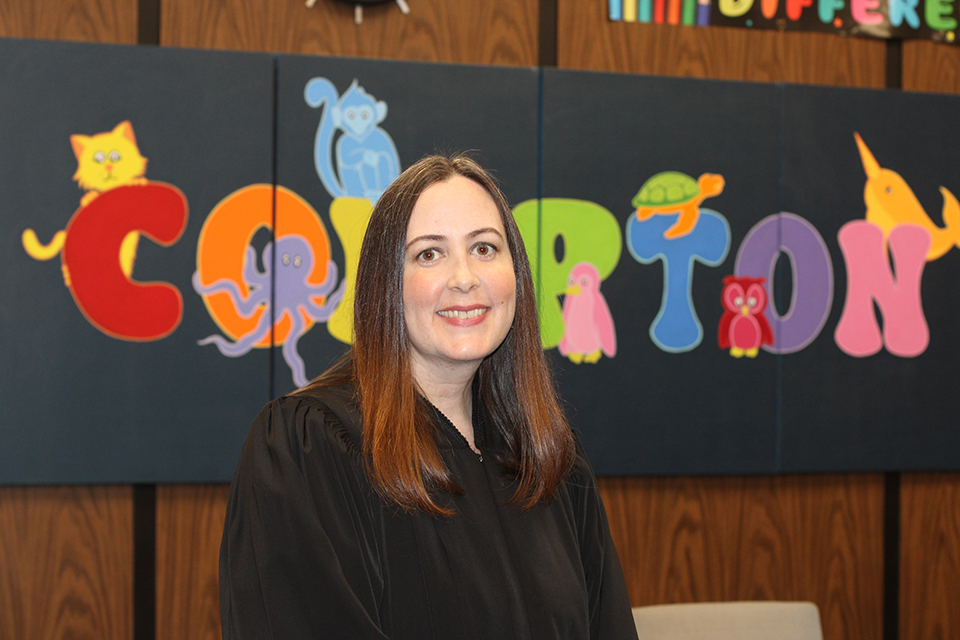
In May 2026, at the request of the Superior Court of Los Angeles County, the UCLA Pritzker Center for Strengthening Child and Families began a three-part mixed-methods evaluation of the Helping Our Parents Excel (HOPE) Court program. The UCLA Institutional Review Board authorized research to commence. Results will guide refinement of the HOPE Court, currently overseen by Commissioner Lucia Murillo, and provide evidence-based recommendations related to program growth and sustainability.
Evidence from the HOPE Court evaluation may also inform: (1) the development of standardized implementation measures; (2) shared performance indicators focused on child safety, family stability, timely reunification, and prevention of re-entry into care; and (3) data-sharing protocols that will enable ongoing monitoring of program delivery, service utilization, workforce capacity, family engagement, and implementation, success, and program equity. Results may also inform the county’s efforts to develop and expand culturally responsive, developmentally appropriate dependency programming and family time resources for young children served across Los Angeles County.

-
Expected December 2026

Implementation Evaluation
The implementation evaluation will use survey, interview, and focus group data collected from past and current cross-agency professionals directly involved in HOPE Court to document core components of the program and identify implementation successes, challenges, institutional barriers, and opportunities to strengthen and sustain the program. Particular emphasis will be placed on evaluating implementation of the Board of Supervisors' priority practice components related to trauma-informed judicial practices, multidisciplinary teaming, workforce development training and onboarding for attorneys, social workers, and service providers, use of infant mental health evidence, trauma-informed care, interagency service coordination; and frequent, meaningful parent-child family time as a core intervention supporting reunification and healthy child development.
-
Planned April - September 2027
(Pending Funding)
Outcome Evaluation
The outcome evaluation will examine whether participation in HOPE Court is associated with improvements in child safety, permanency, and family stability using standardized federal and state child welfare performance measures. To understand whether HOPE Court case outcomes are equitable – particularly for Black and Spanish-speaking families – outcome data will be disaggregated by race/ethnicity, primary language, age, and other case characteristics to determine whether the HOPE Court model addresses longstanding disparities in child welfare system involvement while improving child safety, timely permanency, and family preservation.
Using case management data from the Superior Court and Department of Children and Family Services, the UCLA Pritzker Center will examine the timing and outcomes of cases supervised in HOPE Court. Indicators will include family preservation, foster care entry, placement stability, reunification, recurrence of maltreatment, time to permanence, and re-entry into foster care. Additionally, the UCLA Pritzker Center will analyze narrative case records (e.g.: WIC 300 petitions; status hearing reports; minute orders) to document service coordination, parenting time, and other barriers/facilitators of positive case outcomes among HOPE Court cases. Findings may inform the county’s efforts to develop and expand culturally responsive, developmentally appropriate family time resources for HOPE Court-involved families and child welfare-involved families more broadly.
-
Planned December 2027
(Pending Funding)
Community Feedback Findings
To center family voice and community partners in examining the impact of HOPE Court on families and the broader community, the UCLA Pritzker Center will also survey parents, kinship caregivers, resource parents, and community-based service providers who were involved in HOPE Court cases between November 2023 and May 2026. Together, community feedback, program implementation, and case outcome findings will be used to generate actionable recommendations for performance improvement within the dependency system and among agencies and non-government organizations that share the responsibility of delivering services to children and families across Los Angeles County.